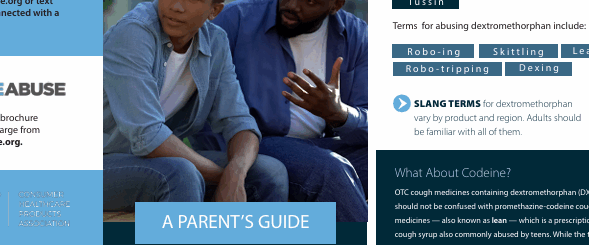
Abuse Prevention & Education
Does Your Cough Medicine Contain DXM? A Parent’s Guide to Reading the Label
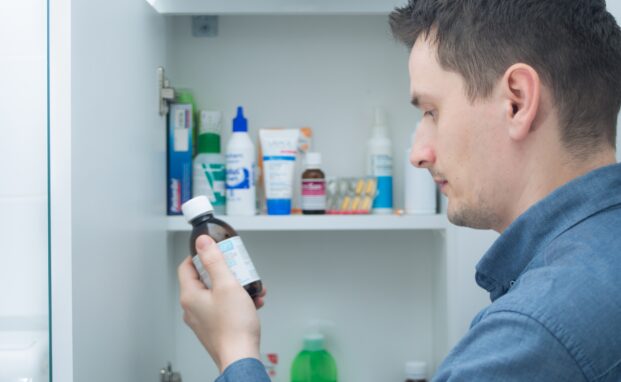
It’s late at night, and someone in your house is coming down with a cold. They’ve started coughing, so you reach for what is already in your medicine cabinet. Sound familiar? That is exactly why OTC cough medicines are available – to provide convenient relief when symptoms strike unexpectedly. When used as directed, these medicines are safe and effective.
Even so, it’s a good idea to know what is in the bottle. Some OTC cough, cold, and flu medicines contain dextromethorphan, or DXM, a common cough suppressant. At the recommended dose, DXM is safe. The concern is misuse, especially when cough medicine is taken in large amounts or used in ways the label does not direct.
If you have a teen at home, it is worth knowing which medicines contain DXM. You do not need to memorize every brand or become a label expert. You just need to know where to look.
What to Check on the Label
Start with the Drug Facts label on the box or bottle. Under Active Ingredient, look for:
- Dextromethorphan
- Dextromethorphan hydrobromide, sometimes listed as Dextromethorphan HBr
- Dextromethorphan polistirex, which may appear in some extended-release products
Then check the Purpose section. Products that contain DXM are usually listed as “cough suppressant.”
You may also see “DM” in a product name, but while that can be a clue, it is not a guarantee, and the Active Ingredient list is what confirms what is inside.
This applies to store-brand and “compare to” products, too. Even when the box looks familiar, the ingredients can vary, and a quick check can tell you what you need to know.
What About the Stop Medicine Abuse Icon?
Some products with DXM may include the Stop Medicine Abuse icon on the box or bottle. This can be a helpful visual cue, but it may not appear on every DXM-containing product. Think of it as a signal, but not a substitute for checking the label.
Why a Quick Cabinet Check Helps
Medicine cabinets can be a bit jumbled with a bottle from last winter here, a half-used box in the kitchen drawer there. It’s easy to lose track of what is in the house.
Taking a few minutes to review what you have can help you:
- Store medicines more thoughtfully, especially products you want to monitor.
- Notice when something is being used more than expected.
- Open the door to a low-pressure conversation with your teen about safe dosing.
Cold and flu season can make those conversations feel more natural. If your teen reaches for cough medicine, it can be a simple moment to remind them that “available without a prescription” does not mean “risk-free.”
DXM is a safe, well-studied, ingredient that helps many people feel better every cold and flu season, and none of this should be scary. The point is to know what is in your home and make sure medicines are being used as directed.
One Simple Habit
You do not need to know every product on the shelf. Just build this one small habit of checking the Active Ingredient section, glance at Purpose, skim the Directions and Warnings, and store medicines where you can keep track of them.
That small habit can help your family use OTC medicines safely and reduce the risk of misuse, during cold and flu season and beyond.